
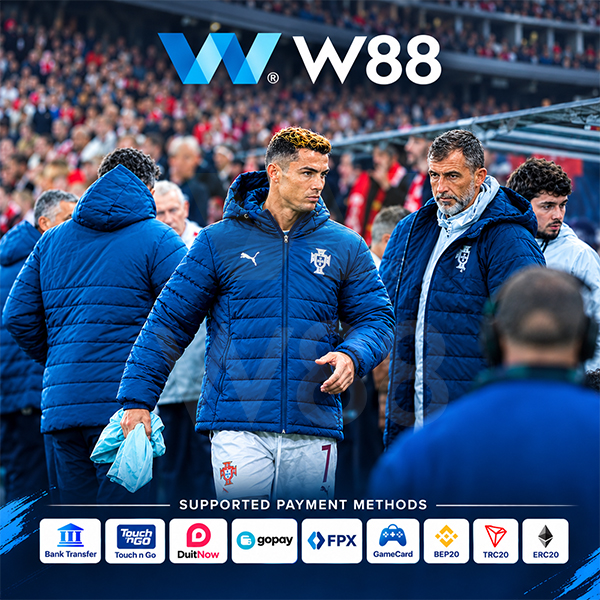
Cristiano Ronaldo’s clash with Portugal coach Jorge Jesus has developed into a wider debate about leadership, discipline and respect. Following a public statement on Instagram, reactions from Bruno Fernandes, Felipe Melo and Vitinha have intensified the discussion, while disciplinary proceedings have left Ronaldo’s international future uncertain.
For a player who has spent more than two decades defining Portuguese football, being left on the bench was never going to pass unnoticed. But the controversy that followed has become about far more than playing time. It has raised difficult questions about a captain’s responsibilities, a manager’s authority and the future of one of football’s most recognisable figures.
From the Bench to a Public Fallout
Portugal’s 2–1 victory over Norway on September 27, 2026, marked the beginning of the dispute after Ronaldo remained an unused substitute. The forward later claimed that an agreement concerning his involvement had not been respected, while Jesus maintained that team selection remained his responsibility.
The disagreement escalated on September 30, when Ronaldo left Portugal’s training camp in Copenhagen ahead of the match against Denmark. Portugal subsequently won that fixture 4–2 without him, adding another dimension to the debate surrounding the captain’s role.
The result did not settle the argument. Instead, the focus shifted towards communication, discipline and whether the relationship between Ronaldo and Jesus could be repaired.
Ronaldo Breaks His Silence on Instagram
On October 6, Ronaldo published a lengthy statement outlining his version of events. He accused the coach of breaking their agreement, apologised to his teammates and supporters for leaving the camp, and accepted that his actions could carry consequences.
Crucially, Ronaldo did not announce his retirement from international football. He stated that he remained available to represent Portugal after serving any suspension, provided he was physically fit and performing well for his club.
Jorge Jesus, meanwhile, had previously insisted that the same rules applied to every player, regardless of status. The two accounts highlight the central disagreement: Ronaldo felt that an understanding had been broken, while the coach retained responsibility for his sporting decisions.
Bruno Fernandes, Felipe Melo and Vitinha React
Bruno Fernandes moved to calm speculation about divisions within Portugal’s squad. After speaking with Ronaldo, the midfielder described him as the greatest symbol of the national team and urged supporters not to turn the dispute into a conflict between opposing camps. Fernandes also stressed that the squad remained united.
Former Brazil international Felipe Melo took a more outspoken position, defending Ronaldo and comparing the treatment of the Portuguese star with the respect Lionel Messi receives in Argentina. Reports also said Ronaldo liked the social media post featuring Melo’s comments, although that gesture does not necessarily mean he endorsed every point made.
More recently, Portugal midfielder Vitinha expressed hope that the situation would be resolved and Ronaldo would return to the squad. His comments offered a clear message from within the national team: reconciliation would be preferable to a prolonged dispute.
Together, the reactions show that supporting Ronaldo’s legacy does not automatically mean taking sides against Jesus. The priority for Portugal is to prevent an individual disagreement from becoming a lasting problem for the team.

Disciplinary Action and Questions Over Ronaldo’s Future
On October 10, reports confirmed that the Portuguese Football Federation had opened disciplinary proceedings and imposed a provisional, non-automatic suspension following Ronaldo’s departure from the camp.
The measure should not be confused with a final disciplinary verdict. The outcome remains a matter for the relevant authorities, and Ronaldo’s future selection will depend on the process and the decisions that follow.
Fresh uncertainty emerged on October 15, when Ronaldo’s sister, Elma Aveiro, expressed doubts about the likelihood of his return to the national team. Her comments reflected her personal assessment rather than an official announcement from Ronaldo or the federation.
For now, the clearest indication of Ronaldo’s intentions remains his own statement: he is willing to continue representing Portugal after fulfilling any punishment. Whether that happens will depend on how the dispute is resolved.
Final Whistle: Can Portugal Reconcile Its Legend and Its Coach?
The Ronaldo–Jesus dispute exposes the delicate balance between individual greatness and collective responsibility in modern football. Ronaldo’s achievements deserve recognition, but his legacy does not place him above team rules. Equally, a coach’s authority is strongest when decisions are communicated clearly and consistently.
Portugal does not need to choose between respecting its greatest modern football icon and maintaining discipline. It needs a solution that protects both the team’s standards and its long-term ambitions.
Ronaldo still has the opportunity to show that his commitment to Portugal extends beyond personal disappointment. Jorge, meanwhile, must manage the situation without allowing it to overshadow the team’s football.
The final outcome remains uncertain, but one principle should be clear: a legendary career earns respect, while leadership is measured by how difficult moments are handled.
Contact Us :
LiveChat : W88 Malaysia
Telegram: W88Malaysia